The 60 competencies set for Grade 2 Science, and every one has lessons behind it.
Science Observation Skills
6 competencies
Identify science as a way of learning about the natural world and everyday surroundings.
Ask simple science questions about what is observed.
Use the senses safely to observe objects, living things, weather, and simple events.
Compare and sort objects based on observable properties such as size, color, shape, texture, weight, and use.
Use simple tools such as a ruler, hand lens, cup, spoon, dropper, and thermometer with teacher guidance.
Record observations using drawings, words, simple labels, tally marks, and picture tables.
Living and Non-Living Things
4 competencies
Identify living and non-living things in the home, school, and local environment.
Describe living things as things that grow, need air/water/food or nutrients, respond to their surroundings, and can produce new living things of the same kind.
Classify familiar living things as plants or animals.
Create a simple drawing, table, or model that compares living and non-living things.
Plant and Animal Body Parts
7 competencies
Identify and describe basic plant parts: roots, stems, and leaves.
Explain in simple terms how roots, stems, and leaves help plants live and grow.
Identify and describe basic plant parts: flowers, fruits, and seeds.
Identify and describe animal body parts such as legs, wings, fins, tails, claws, and body coverings.
Explain how animal body parts help animals move.
Explain how animal body parts help animals get food, sense surroundings, and stay safe.
Create a labeled drawing or model of a plant or animal showing important parts and their functions.
Materials and Their Uses
6 competencies
Identify common materials such as paper, plastic, cloth, wood, metal, glass, rubber, clay, and water.
Describe observable material properties such as hard, soft, rough, smooth, flexible, rigid, heavy, light, transparent, opaque, waterproof, and absorbent.
Match material properties to everyday uses.
Compare objects made from different materials and explain why each material is suitable or unsuitable for a purpose.
Demonstrate safe handling of materials during simple activities.
Design or improve a simple useful object by choosing materials based on their properties.
Needs and Habitats of Living Things
6 competencies
Identify the basic needs of plants, animals, and people: air, water, food or nutrients, shelter, space, and suitable surroundings.
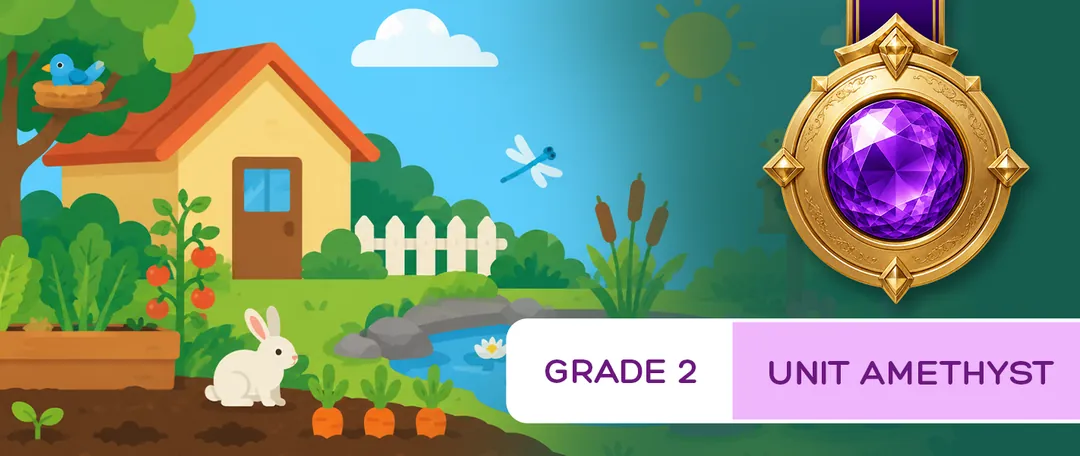
Describe habitats as places where living things get what they need to survive.
Identify examples of habitats such as garden, pond, tree, soil, river, seashore, farm, and home.
Explain how changes in a habitat can help or harm living things.
Describe simple ways people can care for plants, animals, and habitats.
Create a simple habitat drawing, model, or care plan for a chosen living thing.
Weather and Weather Safety
4 competencies
Describe daily weather using simple terms such as sunny, cloudy, rainy, windy, hot, cool, and stormy.
Observe and record weather over several days using drawings, tally marks, symbols, and simple words.
Explain how weather affects clothing, travel, play, school, plants, animals, and community activities.
Identify simple weather safety practices for heat, rain, lightning, strong wind, and flooding.
Water Sources and the Water Cycle
2 competencies
Identify common sources and uses of water at home, school, and in the community.
Describe the water cycle in simple terms using evaporation, clouds/condensation, rain/precipitation, and collection.
Forces and Motion
6 competencies
Describe different ways objects move, such as rolling, sliding, falling, bouncing, spinning, swinging, and turning.
Identify pushes and pulls as actions that can start, stop, speed up, slow down, or change the direction of an object.
Use drawings, arrows, and simple words to show the direction and change of movement.
Explore how object shape, size, weight, and surface affect movement.
Describe how ramps, wheels, handles, and simple tools help people move or lift objects more easily.
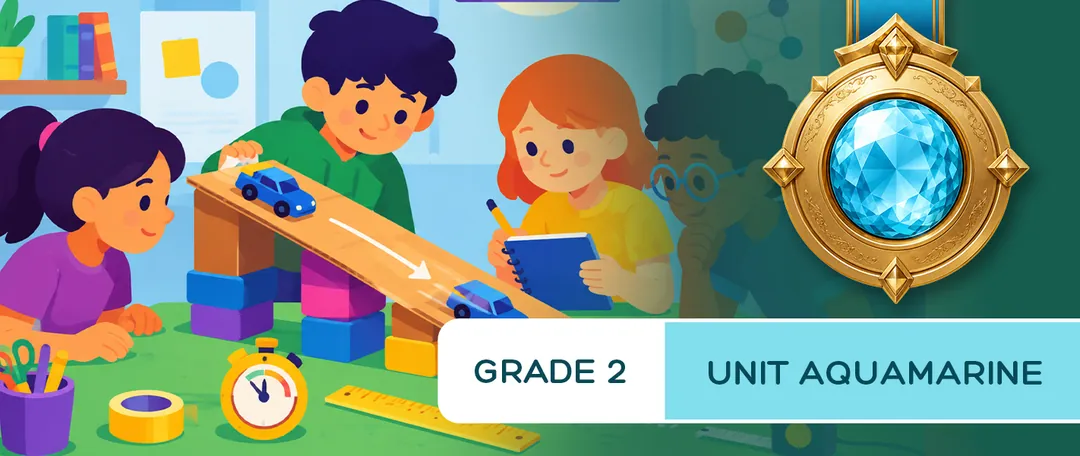
Design a simple ramp, rolling toy path, or push-pull game that shows how motion can be changed.
Light, Shadows, and Sound
6 competencies
Identify natural and human-made sources of light.
Describe how light helps people, animals, and plants in everyday life.
Explore shadows as areas where light is blocked.
Identify sources of sound and describe sound as something made by vibrating objects.
Compare loud and soft sounds and identify safe ways to protect the ears.
Use simple light or sound signals to send a message.
Earth Materials and Caring for the Environment
6 competencies
Identify common non-living parts of the environment such as rocks, soil, sand, water, air, sunlight, clouds, and rain.
Describe simple properties and uses of rocks, soil, sand, water, and air.
Explain how people, plants, and animals use earth materials and water.
Identify local land and water features such as gardens, fields, rivers, ponds, seashores, hills, or roadsides.
Describe how pollution, trash, and unsafe use of resources can harm living things.
Suggest simple ways to care for land, water, and air in the home, school, and community.
The Sky, Sun, Moon, and Stars
7 competencies
Identify common sky objects such as the Sun, Moon, stars, clouds, and sometimes visible planets.
Describe differences between daytime and nighttime sky.
Observe and record simple sky patterns such as the Sun’s apparent movement and changing shadows.
Explain how the Sun helps living things and affects daily activities.
Observe and record simple sky patterns such as the Moon’s changing appearance.
Identify safety practices for sunlight, heat, and outdoor observation.
Create a simple sky observation chart, drawing, or model showing daytime/nighttime patterns.